
Earthquake!
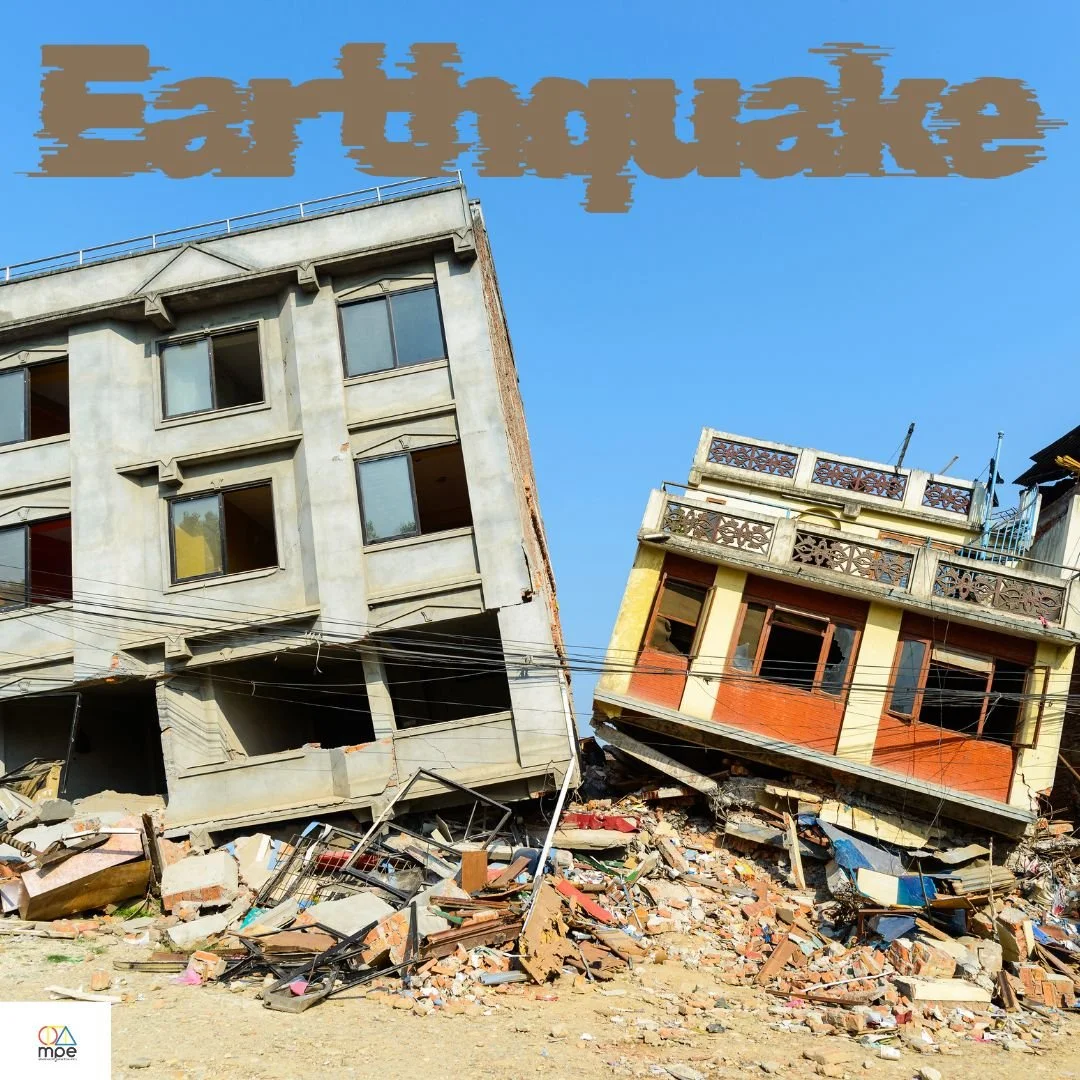
Earthquake!
Earthquake is a thrilling, action-packed capture-the-flag-style invasion game that fuses physical education, engineering, and earth science into an electrifying, fast-paced experience. Students are pushed to design daring structures that withstand human-created seismic forces, all while strategizing, defending, and scrambling to rebuild in the heat of the moment. What truly amps up the lesson is that students unleash earthquakes themselves—with jumps, swift shifts, and dynamic mat movements that animate the forces of tectonic plates. Concepts like convergent, divergent, and transform boundaries burst into life, turning science into a pulse-pounding, hands-on adventure.
As towers begin to topple, the game surges into a high-stakes disaster response! Teams must communicate, adapt, and rally rapid emergency rebuilds while opponents race to capitalize on the chaos. Each moment crackles with the tension between structural engineering and nature’s fury, and the adrenaline of community recovery, with everyone on the move, thinking fast and seizing opportunities.
Throughout gameplay, students discover that taller towers can score massive rewards, but they’re risky when seismic activity escalates. This means nonstop experimenting, daring redesigns, and creative critical thinking as students test out their approaches in the quest to topple-proof stability. Soon, many are amazed to see pyramid-shaped designs defy destruction, opening up thoughtful discussions about ancient engineering wonders that have stood for millennia. Earthquake delivers with an exciting game that connects STEM with physical education!
Materials:
· A large playing area
· Four large gymnastics mats
· One large Jenga or wooden building block set
· One flag belt per student
· The flag belt should have two flags attached.
· If the flag belts are all the same color, have pinnies or jerseys for team identification.
Minimum Number of Students: This game can theoretically be played three-versus-three and could be okay if the playing area is not too large. However, in a typical gym or outdoor setting, something closer to ten versus ten is more reasonable and fun. If you have more than 40 students in a lesson, I would divide the playing area into four equal sections and assign students as evenly as possible.
Prior Knowledge: The students could be doing geology work, especially anything related to tectonic plates and Earth's layers.