
From Juneteenth to 1968: Why the Black Power Fist of Tommie Smith and John Carlos Still Matters Today

From Juneteenth to 1968: Why the Black Power Fist of Tommie Smith and John Carlos Still Matters Today

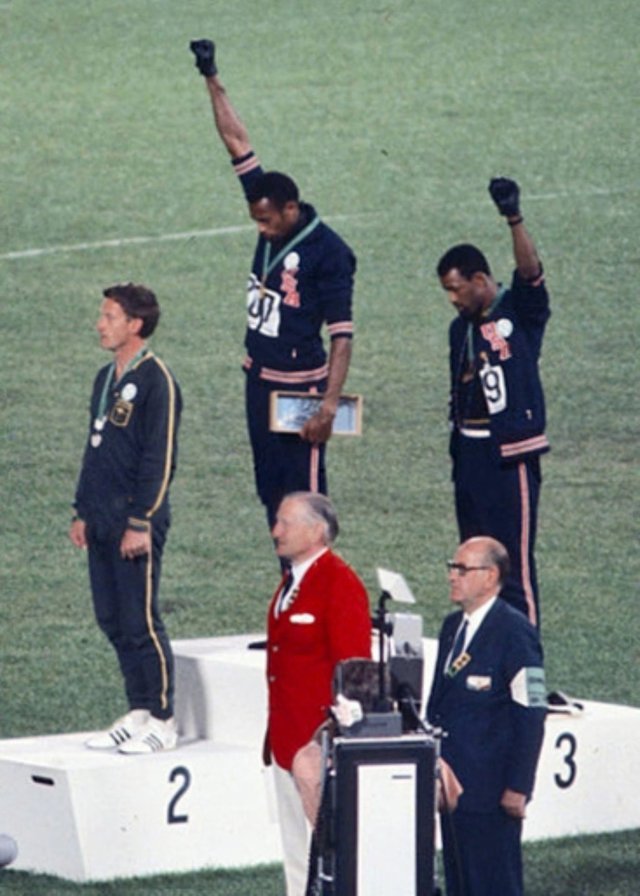
The 1968 Olympic protest by Tommie Smith and John Carlos was a direct continuation of that exact struggle. By bringing this moment into your gym or onto your track, you aren't just teaching running technique or relay strategies; you are helping your students reckon with the deep realities, sacrifices, and courage that defined the Civil Rights Movement.

Rescuing Youth Sports in the U.S. Part 1: How Did We Get Here?

Rescuing Youth Sports in the U.S. Part 1: How Did We Get Here?

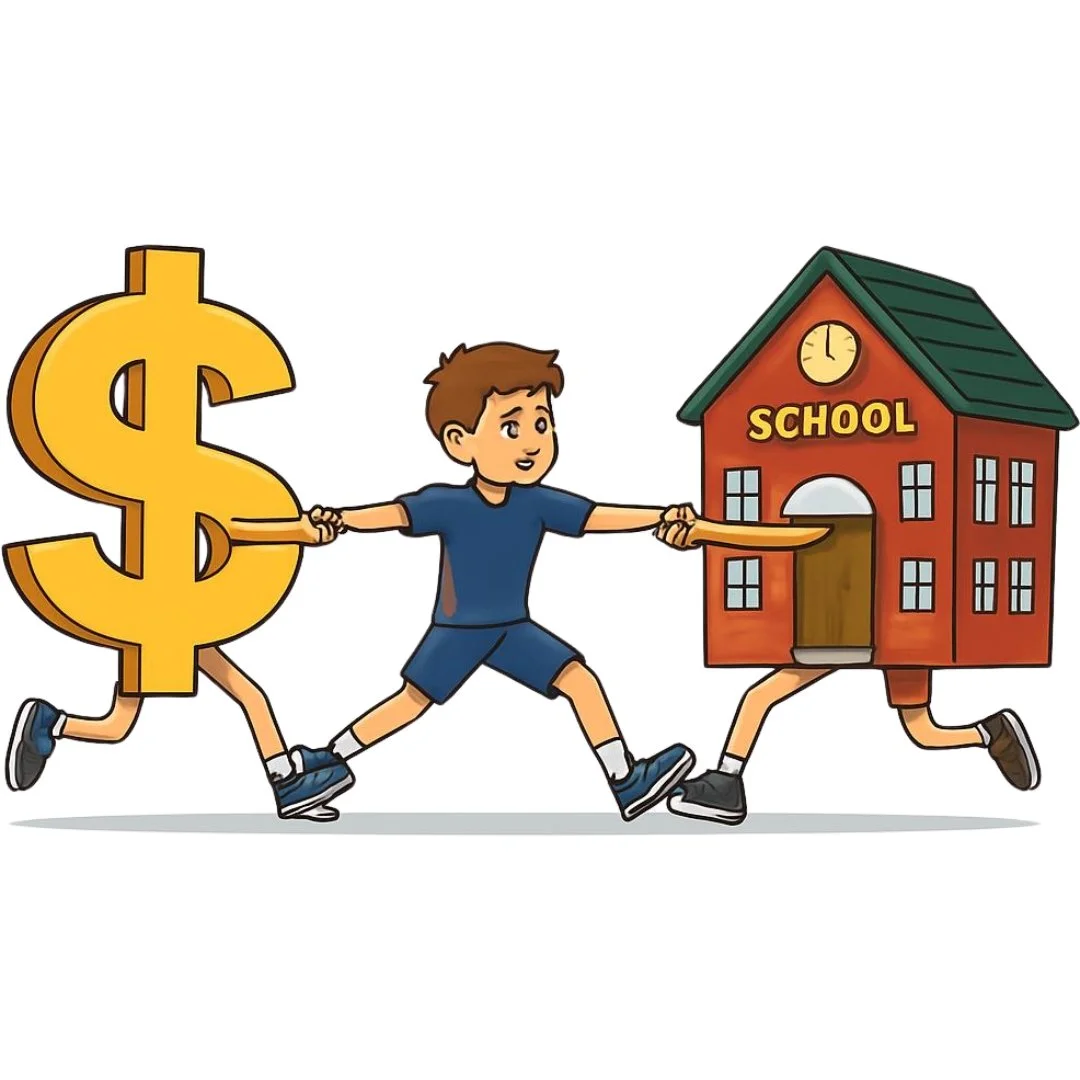
This history matters because the private travel-league industry in America essentially looked at the European club model, hijacked its structure, and ran it through a ruthless, hyper-capitalist filter. The club model has been reintroduced into America, but it has been perverted by capitalism into a new and nefarious form of elitism. Gone is the ethos of community and affordability, non-competitive youth development, and for the good of public health. Instead, they weaponized the American parents' deepest anxieties: the fear of their child falling behind, the obsession with "elite" status, and the multi-million-to-one lottery ticket of a college athletic scholarship.

Chaza: Traditional Indigenous Sport of Ecuador and Colombia

Chaza: Traditional Indigenous Sport of Ecuador and Colombia

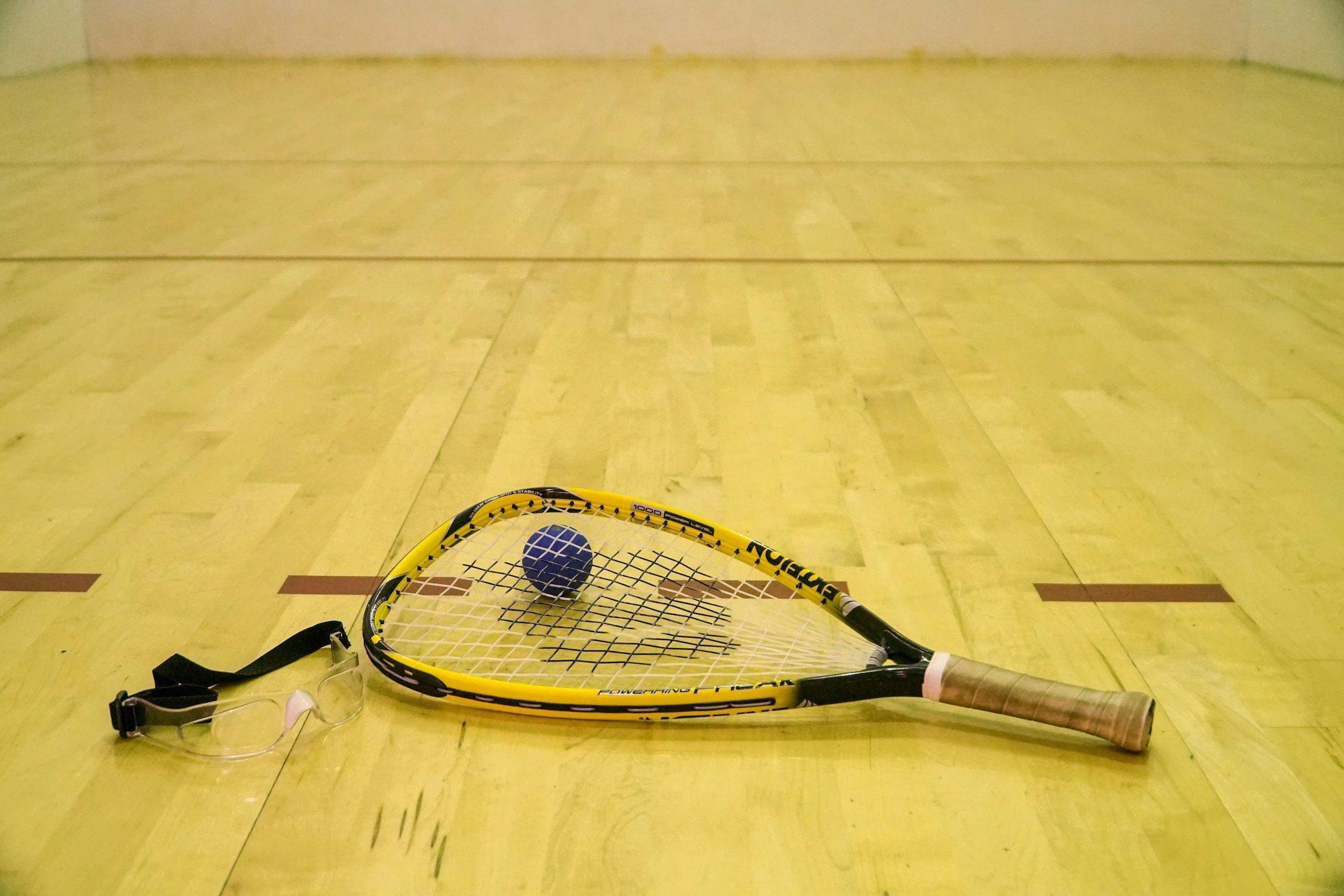
Across the mountains of southern Colombia and northern Ecuador, there is a sport that has been played for centuries but is largely unknown outside of the region. The game is called Chaza, and for many communities in the Andean region of Nariño, it represents far more than just competition. It is a cultural tradition, a social gathering, and a sport that has connected generations of players.