


The Invent a Sport Lesson Series is here to save your sanity regarding Field Day.

If Montessori is a method for observing human development, experimenting with the environment, and revising our practice based on what we discover, then AI isn't necessarily a threat to Montessori. It may be one of the greatest tests of whether we actually believe in Montessori as a living method rather than merely a collection of materials.
If a child develops physical problems because of the environment we have created, adding a specially designed piece of furniture to that environment doesn't fix the root problem; it only treats a symptom.
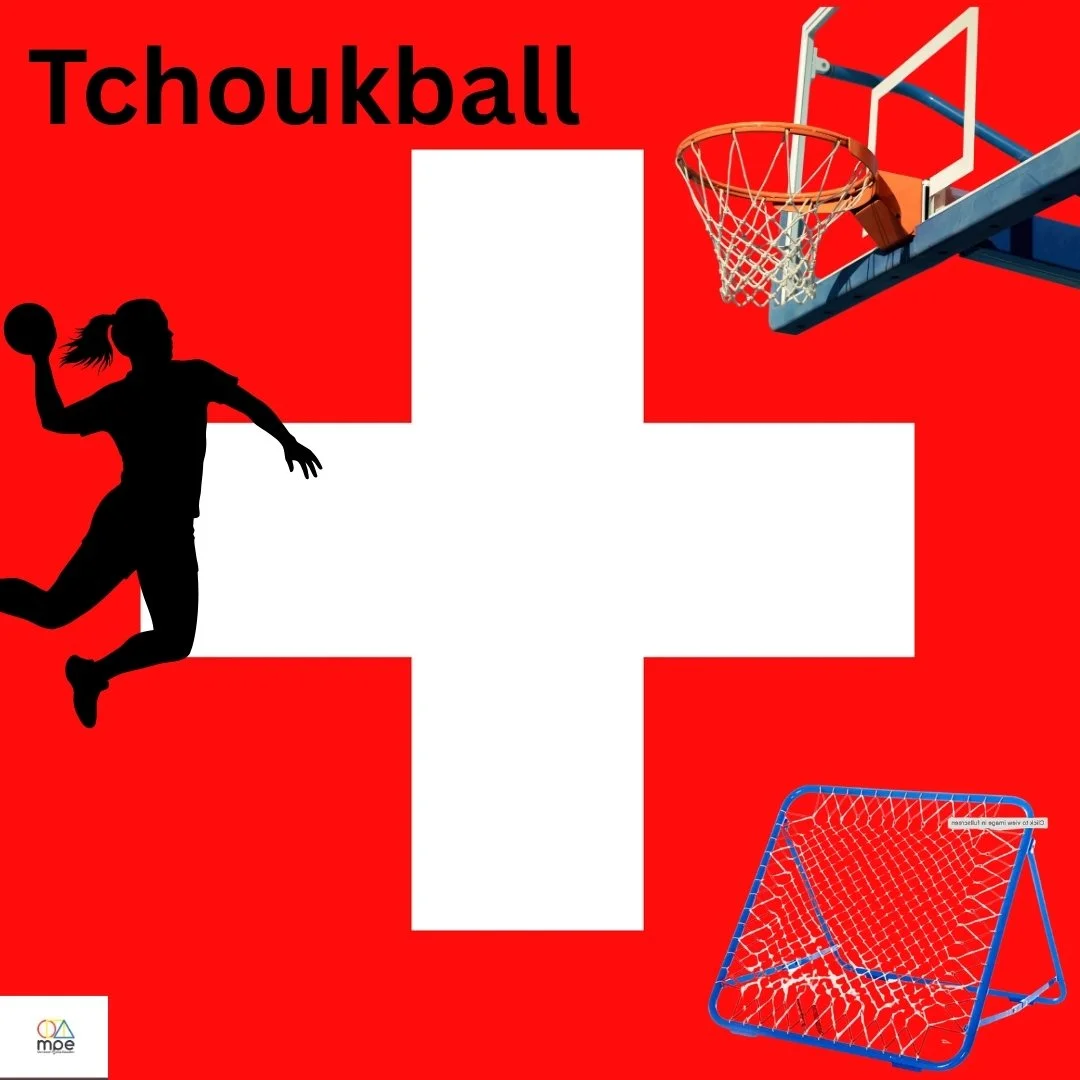
Traditional Tchoukball uses specialized rebounders. They aren't particularly difficult to find, and they aren't necessarily prohibitively expensive, but they aren't exactly standard equipment in most American school gyms. Basketball hoops, on the other hand? Those are everywhere.
There is a famous Montessori quote, “The greatest sign of success for a teacher is to be able to say, 'The children are now working as if I did not exist.’”
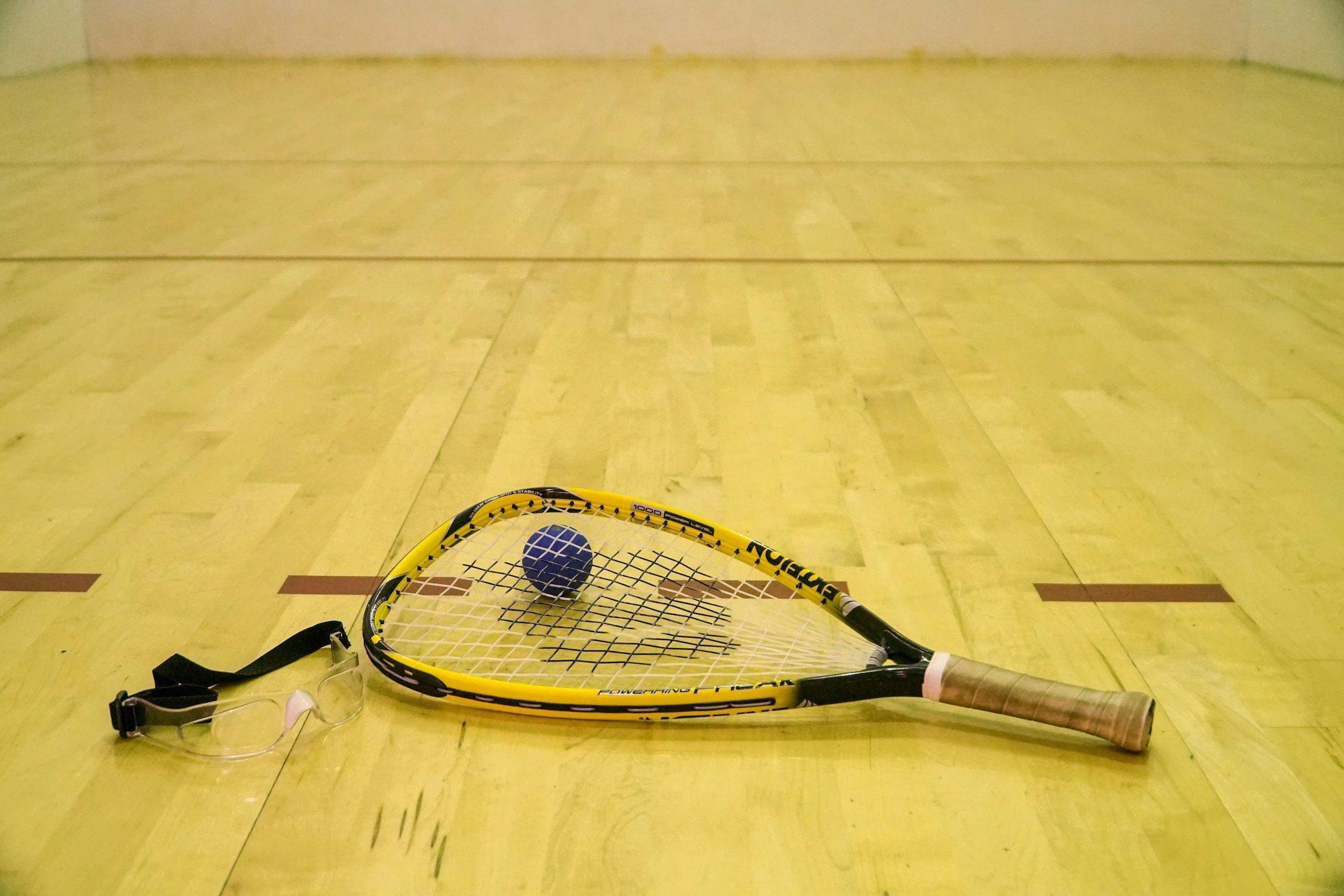
If you found this interesting, here is a link to a lesson plan that will show you how to play three different variations of the same wall ball style game. Each variation will use slightly different equipement resembling some of the sports mentioned above, so histroical connections can easily be made if they are studying those countries in class. What could be even more interesting is the science connection to simple machines, specifically levers. As the students increase their lever arm using different equipment, so they will experience the changes in velocity, which impacts strategy and timing. All these possible connection points make this a super versatile lesson.