

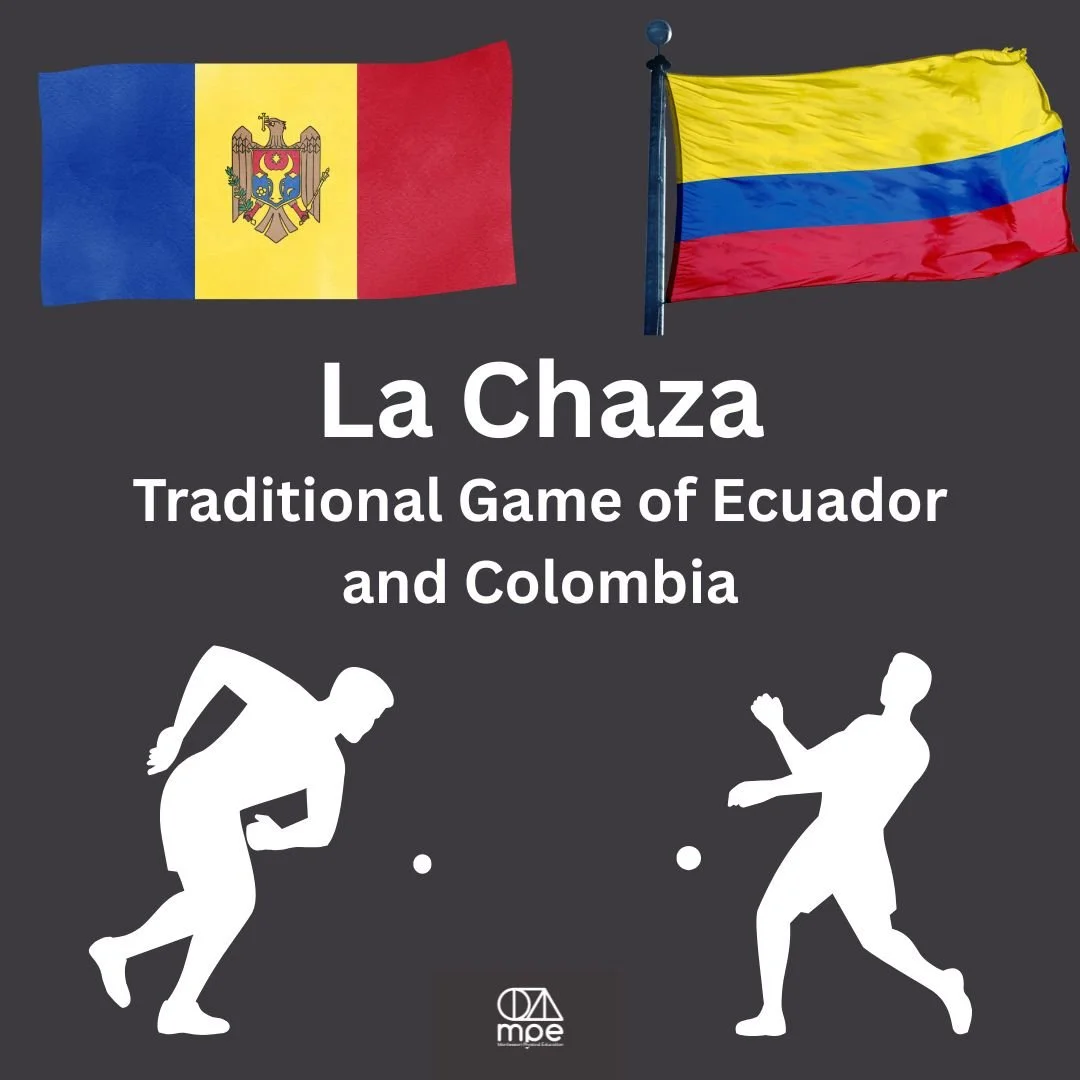
Across the mountains of southern Colombia and northern Ecuador, there is a sport that has been played for centuries but is largely unknown outside of the region. The game is called Chaza, and for many communities in the Andean region of Nariño, it represents far more than just competition. It is a cultural tradition, a social gathering, and a sport that has connected generations of players.
My First Time Presenting at the Montessori Event
A 2026 Montessori Event Presentation: Bringing Athletics to Montessori Schools
We Are Back: Reflections from the 2026 AIMS Conference
I recently had the opportunity to present at the AIMS Conference 2026, and it was one of the best-attended conferences I’ve experienced in years. A huge part of that success belongs to the organizers, whose work clearly paid off. The conference sold out—and you could feel it.
Government Systems Volleyball: A New Twist on a Classroom Favorite
Teaching Culture Through Play: Indigenous Games for PE and Montessori Classrooms
LMAIS Day of Play: Space, Reflection, and the Power of Trying Again
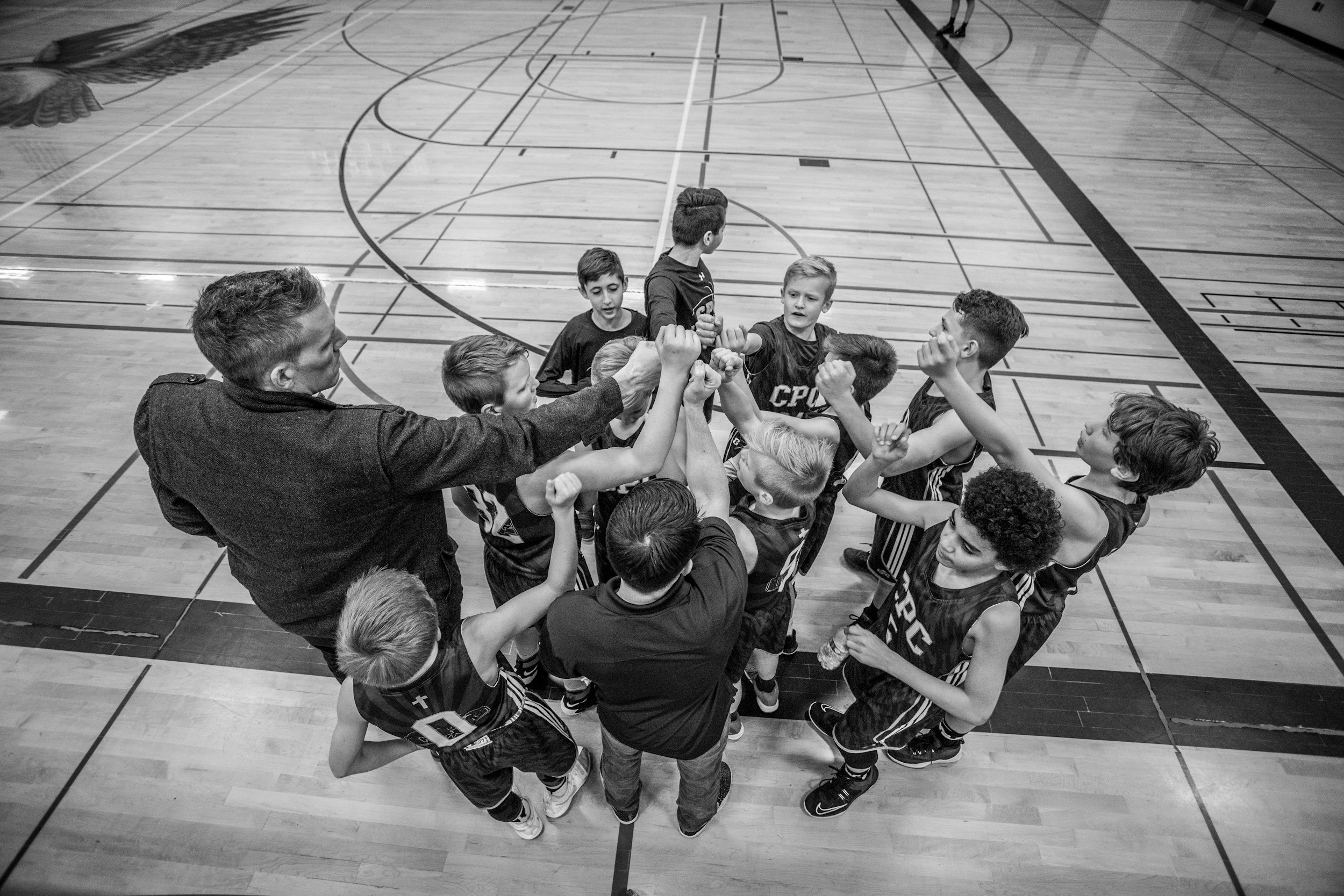
Why We Play Sports in Montessori: A Fourth-Grade Basketball Story
When Peace Education Becomes Urgent: A Free Classroom Simulation for This Moment
Montessori peace education demands more than good intentions. It is our duty to prepare the next generation to think independently, to recognize injustice, and to resist cruelty even when it is sanctioned by authority. We owe it to our students—and to the future—to teach them how not to become complicit.
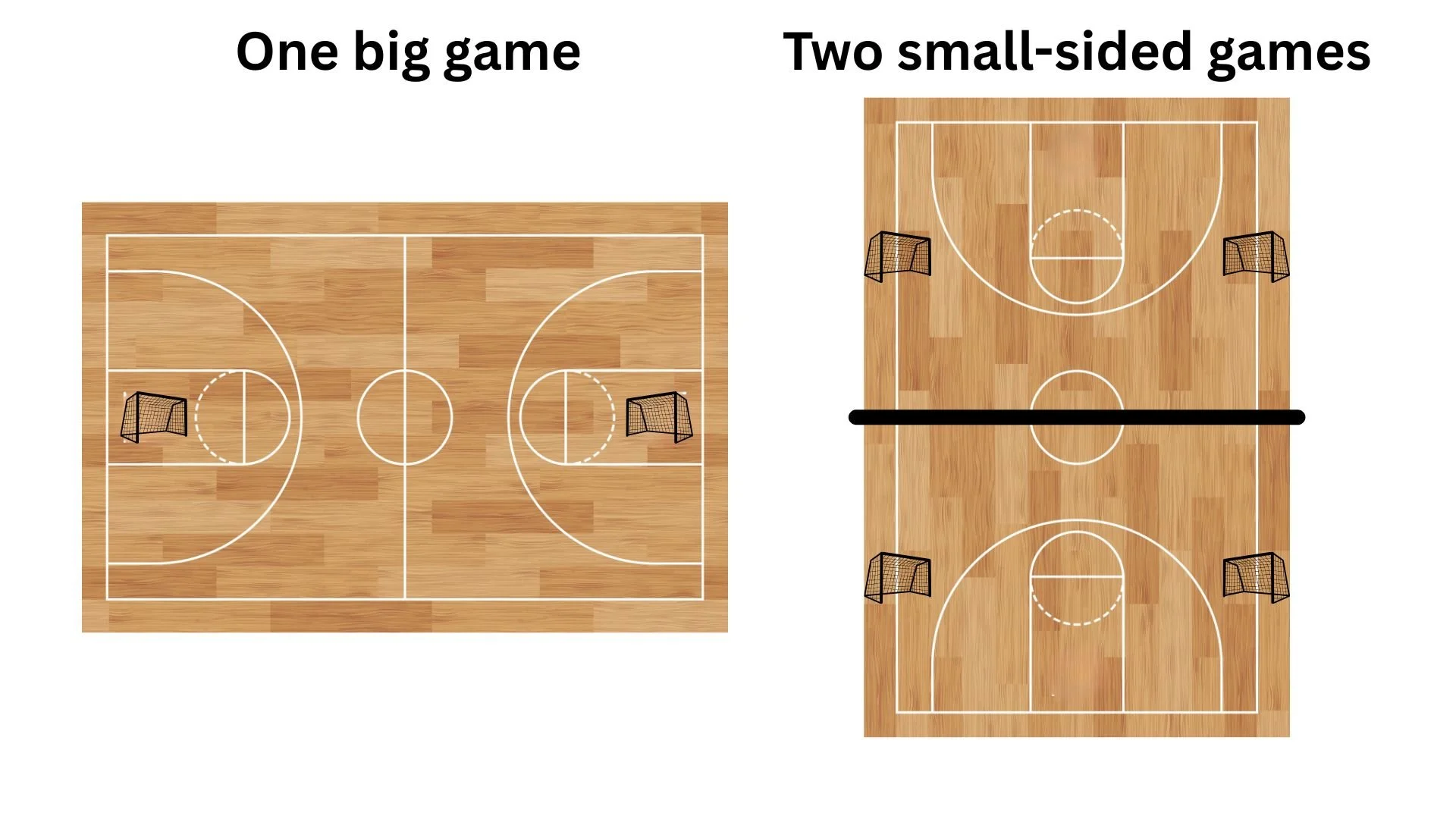
Using Small-Sided Games to Increase Participation in Physical Education
As class sizes grow and student skill levels vary widely, traditional full-class games can unintentionally limit participation. Small-sided games offer a simple, effective way to increase engagement, create more meaningful skill practice, and support independence and sportsmanship in Physical Education—especially in Montessori environments and mixed-ability classes.